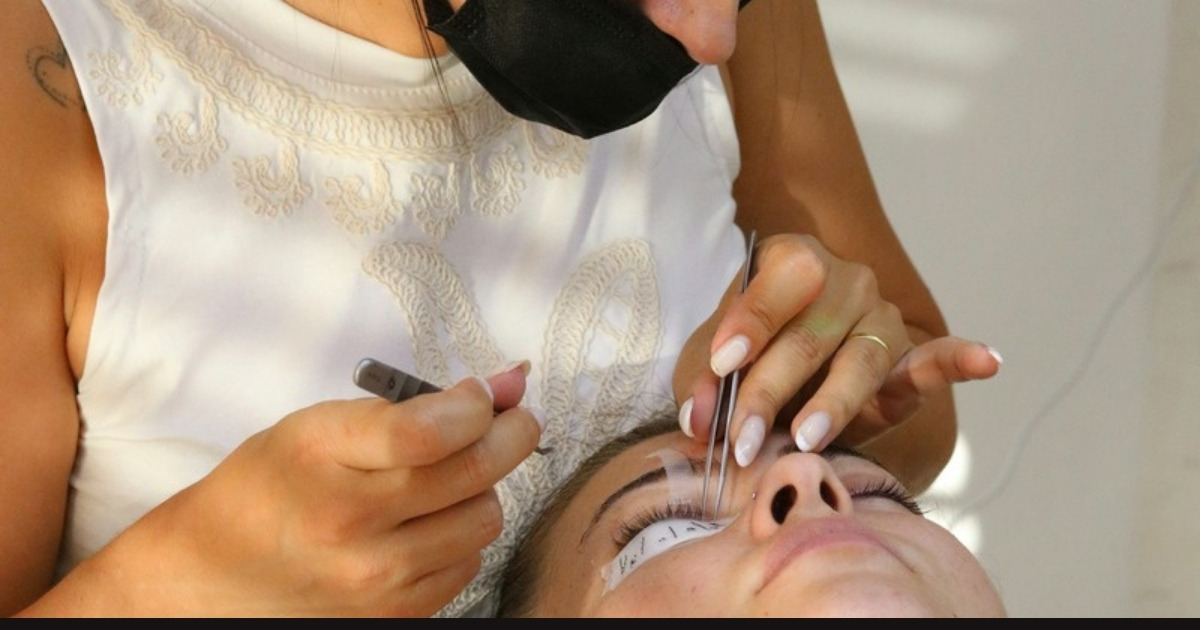


Learning how to manage a salon team without micromanaging comes down to systems. When expectations are clear and performance is visible, you can stop checking on everyone and start leading.
1. Make Expectations Extremely Clear
Many management problems start with unclear expectations.
Owners sometimes assume employees should simply know what good performance looks like.
But what does that actually mean inside your business?
Your team should understand expectations around attendance, appearance, client communication, sanitation, rebooking, retail, service timing, client notes, cancellations and daily responsibilities.
They should also understand how their performance is measured.
When expectations are vague, managers end up constantly correcting people.
When expectations are clear, employees have something concrete to work toward.
2. Create Systems for Situations That Happen Repeatedly
If your team asks you the same questions over and over, the problem might not be the team.
The business may need a system.
Think about the situations that repeatedly interrupt your day.
What happens when a client is late?
What happens when someone wants a refund?
Who handles a service complaint?
What happens when a provider calls out?
Can an employee offer a complimentary service?
When does something actually need manager approval?
Create clear processes for situations your team encounters regularly.
The goal is for employees to think, I know how we handle this here, instead of immediately calling you.
3. Give Employees Access to the Information They Need
People cannot work independently if important information lives inside the owner’s head.
Your team needs easy access to the information required to do their jobs.
That includes policies, schedules, client information, service notes, procedures and relevant business updates.
If employees constantly have to ask where something is, what a policy says or what happened during a client’s previous appointment, they are going to depend on management unnecessarily.
Better access to information creates more independent employees.
4. Stop Solving Every Problem for Them
When someone comes to you with a problem, it can be tempting to immediately give them the answer.
It is faster.
But doing that repeatedly teaches your team that the solution to every problem is asking you.
Instead, ask questions.
What do you think we should do?
What does our policy say?
How would you handle this if I were not here?
This does not mean leaving employees unsupported.
It means teaching them how to think through situations instead of training them to wait for instructions.
5. Define What Employees Can Decide Without You
Your team needs to know where their authority begins and ends.
Can they adjust an appointment?
Can they provide a small service recovery?
Can they apply a discount?
Can they block a problematic client?
Can they change their availability?
Can they resolve a complaint?
There should be clear boundaries around what employees can handle independently and what genuinely requires management approval.
Without those boundaries, some employees will be afraid to make any decision.
Others may make decisions you never intended them to make.
Clarity solves both problems.
6. Use Regular Check Ins Instead of Constant Check Ins
There is a difference between communication and micromanagement.
Your employees should have opportunities to discuss performance, challenges, goals and concerns.
But those conversations do not need to happen through constant messages throughout the day.
Create a rhythm for communication.
That could include individual meetings, team meetings or structured performance conversations.
When employees know there is a regular place to discuss things, every small issue does not have to become an immediate interruption.
7. Make Performance Visible
Managing based on feelings creates unnecessary tension.
One employee feels busy.
Another thinks they are rebooking well.
Someone believes their client retention is great.
The owner thinks otherwise.
Data makes those conversations much easier.
Look at measurable information such as rebooking, retention, average client spend, service revenue, schedule utilization and attendance.
Then use those numbers as the starting point for conversations.
Instead of saying, You need to do better at rebooking, you can discuss what the employee’s actual rebooking rate looks like and set a clear goal together.
Performance becomes something you can coach rather than criticize.
8. Give Feedback Before Something Becomes a Big Problem
Avoiding uncomfortable conversations usually makes them more uncomfortable later.
If an employee repeatedly arrives late, skips client notes or ignores a process, address it early.
Feedback does not need to feel dramatic.
Be specific about what happened, explain the expectation and make sure the employee understands what needs to change.
Small corrections made consistently are much easier than allowing months of frustration to build until there is a major confrontation.
9. Recognize What People Are Doing Well
Management cannot only show up when something is wrong.
Employees also need to know what they are doing right.
Maybe someone received an incredible client review.
Maybe their retention improved.
Maybe they handled a difficult client situation beautifully.
Maybe they helped another employee without being asked.
Recognition reinforces the behavior you want repeated.
It also creates a healthier culture than one where employees only hear from management when they have made a mistake.
10. Keep Team Communication Organized
Important information should not disappear inside random text messages.
Schedule updates, announcements, policy changes and team conversations need an organized place to live.
Otherwise, employees miss information and managers spend time repeating themselves.
Good communication is not about sending more messages.
It is about making sure the right information reaches the right people and can be found again when they need it.
11. Hold People Accountable Without Hovering
Giving employees independence does not mean removing accountability.
You can trust your team and still have standards.
The difference is that accountability focuses on outcomes rather than watching every movement someone makes.
Did the employee follow the policy?
Did they complete their responsibilities?
Are clients being taken care of?
Are their performance numbers moving in the right direction?
If the answer is yes, they probably do not need someone standing over their shoulder.
If the answer is no, address the specific problem.
12. Build a Team That Can Operate When You Are Not There
A strong team is not one that performs perfectly while the owner is watching.
It is one that continues operating well when the owner leaves.
Your business should not fall apart because you take a day off.
Employees should know how to handle normal client situations, find information, communicate with each other and make reasonable decisions within their roles.
That kind of independence does not happen because an owner stops paying attention.
It happens because the owner has created enough structure that the team knows what to do.
Good Management Creates Independence
Micromanagement often comes from a good place.
Owners care deeply about their businesses. They want clients treated correctly, policies followed and their reputation protected.
But when the owner becomes involved in every detail, the team never develops the confidence to operate independently.
Clear expectations, accessible information, regular feedback, measurable performance and defined decision making authority create a different kind of environment.
Your team knows what is expected.
You know how the business is performing.
And everyone can do their job without the owner becoming the answer to every question.
Emvari helps beauty and wellness businesses keep their teams connected without putting the owner in the middle of everything. With team scheduling, client profiles, performance insights, permissions, team communication and operational tools in one system, Emvari gives owners visibility while giving their teams the information they need to work confidently.
Good stylists have options. The Bureau of Labor Statistics projects about 80,300 openings for barbers, hairstylists and cosmetologists each year (BLS Occupational Outlook), which makes keeping your team a priority.
How to Manage a Salon Team With Emvari
Emvari’s salon team management tools cover scheduling, permissions and goals, and performance reporting shows each provider’s rebooking, retail and average ticket so feedback is based on facts.