

A great salon client experience starts before the appointment and continues after the client leaves. Every step, from booking to checkout to follow-up, either builds loyalty or quietly erodes it.
1. Make Booking Feel Effortless
The booking process is often a client’s first real experience with your business.
If it is confusing, slow or inconvenient, you are creating friction before they ever walk through the door.
Clients should be able to easily understand your services, see available appointments, select the right provider when necessary and complete their booking without waiting for someone to respond.
They should also know exactly what they are booking.
Clear service descriptions, pricing, appointment lengths and preparation instructions help clients feel confident in their decision.
The easier it is to book, the better the relationship starts.
2. Set Expectations Before the Appointment
Clients feel more comfortable when they know what to expect.
Confirmation messages should include the important information they need before arriving.
That might include your address, parking instructions, cancellation policy, preparation instructions or anything specific to their service.
If a client needs to arrive with clean lashes, avoid certain products before a facial or complete a form before an appointment, tell them ahead of time.
Good communication prevents small surprises from becoming frustrating experiences.
3. Remember Who Your Clients Are
There is a big difference between being treated like an appointment and being treated like a client.
Remembering small details can completely change how someone feels about your business.
What service did they receive last time?
Which shade did they use?
Did they have a sensitivity to a particular product?
Do they prefer a certain provider?
What did they mention wanting to try next?
Your team should not have to rely entirely on memory to provide personalized service.
Good client records allow every visit to feel connected to the one before it.
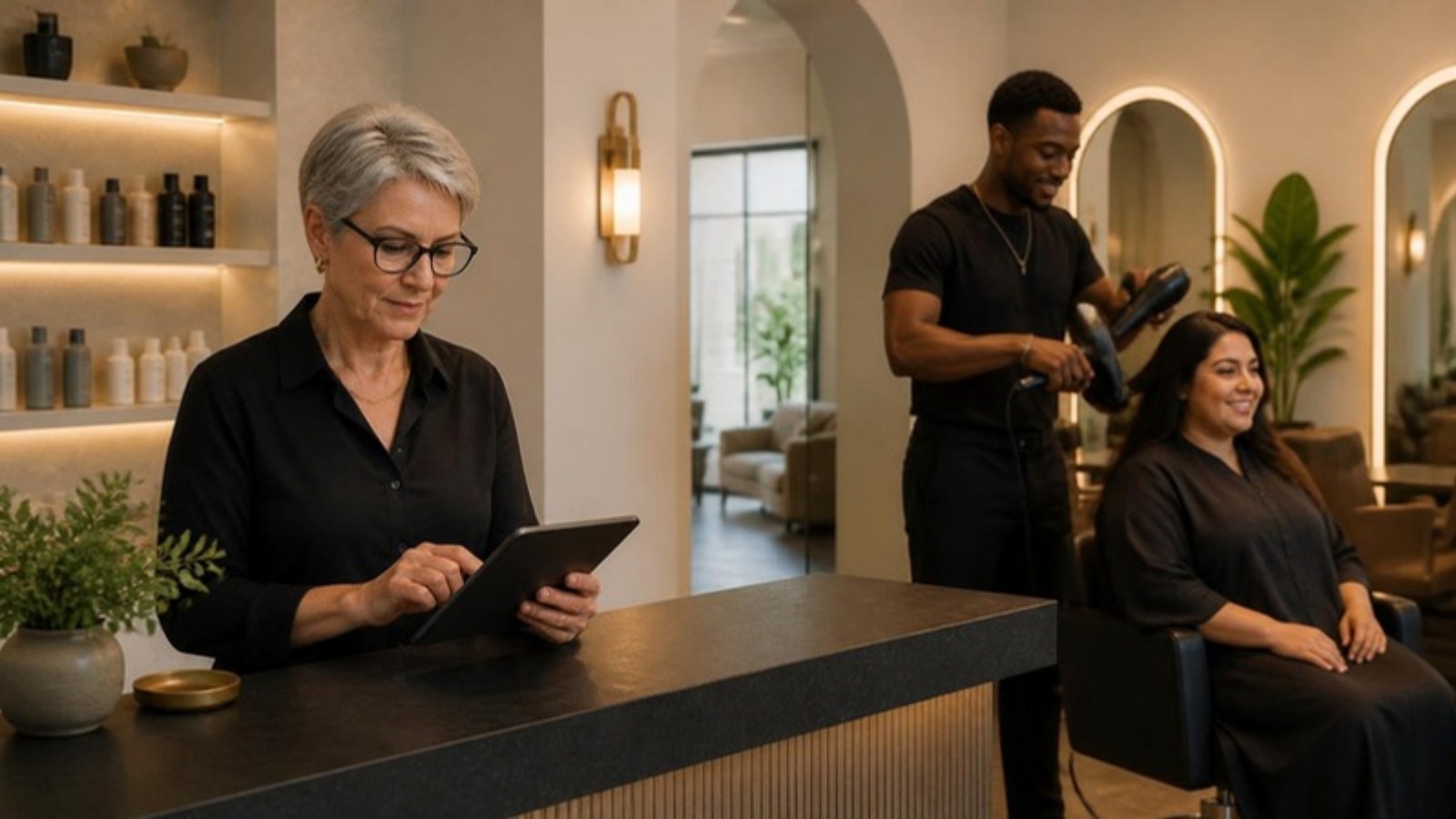
4. Make Check In Simple
The beginning of an appointment sets the tone for everything that follows.
Clients should not arrive and immediately feel confused about where to go or what to do.
Whether you use a front desk, self check in or a team member greeting clients, the process should feel intentional.
If forms or waivers are required, make them easy to complete.
If a provider is running behind, communicate it.
If a client is visiting for the first time, make sure they know what happens next.
Small moments of uncertainty can make an otherwise beautiful business feel disorganized.
5. Personalize the Service Without Making It Complicated
Personalization does not need to mean champagne, elaborate gifts or expensive amenities.
Often, it is much simpler.
It is remembering that a client likes a certain shape.
It is knowing they prefer a quiet appointment.
It is remembering the product that irritated their skin last time.
It is a provider reviewing previous notes before the client sits down.
Those details tell the client that they are not starting over at every appointment.
And that feeling is difficult for another business to replicate.
6. Respect the Client’s Time
Clients notice when businesses value their time.
Appointments that consistently start late, unexpected waits and inefficient checkout processes can slowly damage an otherwise strong relationship.
Sometimes delays happen.
The difference is communication.
If your team is running behind, tell the client. If an appointment needs to change, contact them as early as possible.
Respecting someone’s time is one of the simplest ways to create trust.
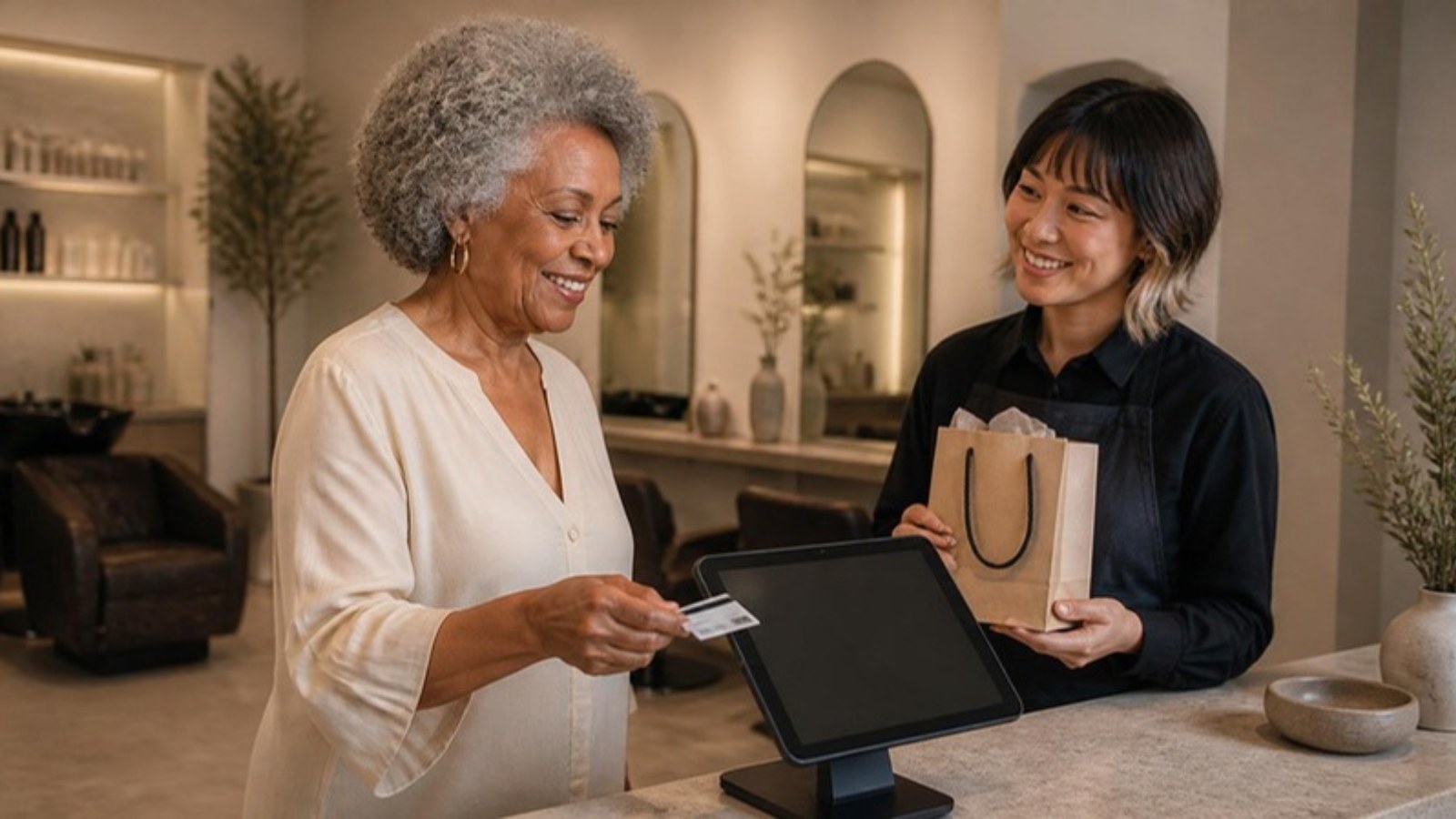
7. Make Checkout Part of the Experience
Checkout should not feel like the moment when the experience suddenly becomes transactional.
It is actually one of the most important parts of the visit.
This is where your team can recommend aftercare, answer questions, discuss products and help the client plan their next appointment.
The process should be smooth and clear.
Clients should understand what they are paying for and be able to complete payment without unnecessary waiting.
Then make rebooking easy while they are already thinking about maintaining their results.
8. Follow Up After the Client Leaves
The relationship should not disappear the moment the client walks out the door.
A thoughtful follow up can extend the experience.
Depending on the service, that might include aftercare instructions, a thank you message or a quick reminder about what to expect over the next few days.
Later, you can ask for feedback or a review.
And when it is time for their next appointment, you can remind them to rebook.
These interactions help your business stay connected without requiring your team to manually remember every follow up.
9. Give Clients Control Over Their Appointments
Life changes.
Clients need to reschedule. They need to update information. Sometimes they need to cancel.
Making these basic tasks unnecessarily difficult creates frustration.
Give clients convenient ways to manage their appointments while still protecting your business with clear policies.
A client who needs to move an appointment should be able to quickly find another time rather than giving up on the appointment entirely.
Convenience is part of the client experience.
10. Pay Attention to What Clients Are Telling You
Client experience problems often show up before they become obvious.
Look at reviews.
Read feedback.
Pay attention to repeated questions.
Notice where clients abandon the booking process or where your team regularly has to explain something that should already be clear.
Even cancellations and retention numbers can tell you something.
If clients consistently disappear after their first visit, there may be a gap somewhere in the experience.
The goal is not to create a business where no client ever complains.
The goal is to notice patterns and continuously make the experience better.
11. Create Consistency Across Your Entire Team
A client should not have an amazing experience with one provider and a completely different experience with another.
Individual personalities will always be different, and that is a good thing.
But the standards of the business should remain consistent.
How clients are greeted, how consultations are handled, how policies are explained, how notes are recorded and how appointments end should reflect the same level of care throughout your team.
Consistency builds trust.
Clients begin to feel confident booking with the business, not only one individual person.
The Experience Is Bigger Than the Appointment
Clients may initially choose a salon because of the service.
They often stay because of how the entire business makes them feel.
Easy booking. Clear communication. A team that remembers them. Appointments that run smoothly. Simple checkout. Thoughtful follow up. Convenient rebooking.
None of these things alone seem revolutionary.
Together, they create an experience that feels easy, organized and personal.
And when clients find a business that consistently delivers that experience, they have fewer reasons to look somewhere else.
Emvari is designed around the entire client journey, not just the appointment. From online booking and digital forms to client profiles, automated communication, payments, reviews, loyalty and rebooking, Emvari helps beauty and wellness businesses create a connected experience from the first booking to the next one.
Research in Harvard Business Review found that managing the full customer journey, not just single touchpoints, is what drives a better experience (HBR: The Truth About Customer Experience).
Deliver a Better Salon Client Experience With Emvari
Emvari connects the whole visit: online booking, a self-serve kiosk for check-in and checkout, detailed client profiles and automated reminders and follow-ups.