
The beauty industry trends 2027 will bring are already showing up in salons today: clients who want to book on their own, owners who want clearer numbers, and teams that expect better tools. Here are eight changes worth preparing for now.
1. Clients Will Expect Booking to Be Completely Self Service
Calling a business to schedule an appointment is becoming less appealing to many clients.
They want to book when they think about it.
That might be at 10 in the morning or 11 at night.
Clients increasingly expect to see availability, understand pricing, choose a service and manage their appointment without waiting for someone to respond.
For beauty businesses, online booking is becoming less of a convenience and more of a basic expectation.
But simply having a booking link is not enough.
The entire process needs to feel easy.
2. AI Will Become Part of Everyday Salon Operations
Artificial intelligence will continue moving from something businesses experiment with to something they use without thinking about it.
For beauty businesses, AI has the potential to help with client communication, marketing, scheduling, business analysis and administrative work.
It may help identify clients who are likely due to rebook.
It may recognize changes in business performance.
It may help owners understand their data without requiring them to analyze complicated reports.
The businesses that benefit most will probably not be the ones using AI simply because it sounds innovative.
They will be the ones using it to solve real operational problems.
3. Personalization Will Become More Important
Clients increasingly expect businesses to remember them.
Not just their name.
Their preferences.
Their previous services.
Their provider.
Their purchase history.
Their normal booking cycle.
The more information a business has about a client, the more opportunities it has to create a personalized experience.
But that information needs to be organized and useful.
A provider should not have to search through old text messages or rely entirely on memory to know what happened during a client’s last appointment.
Technology will make personalization easier to deliver consistently across an entire team.
4. Clients Will Expect More Control
Consumers have become accustomed to managing much of their lives from their phones.
Beauty appointments will continue moving in the same direction.
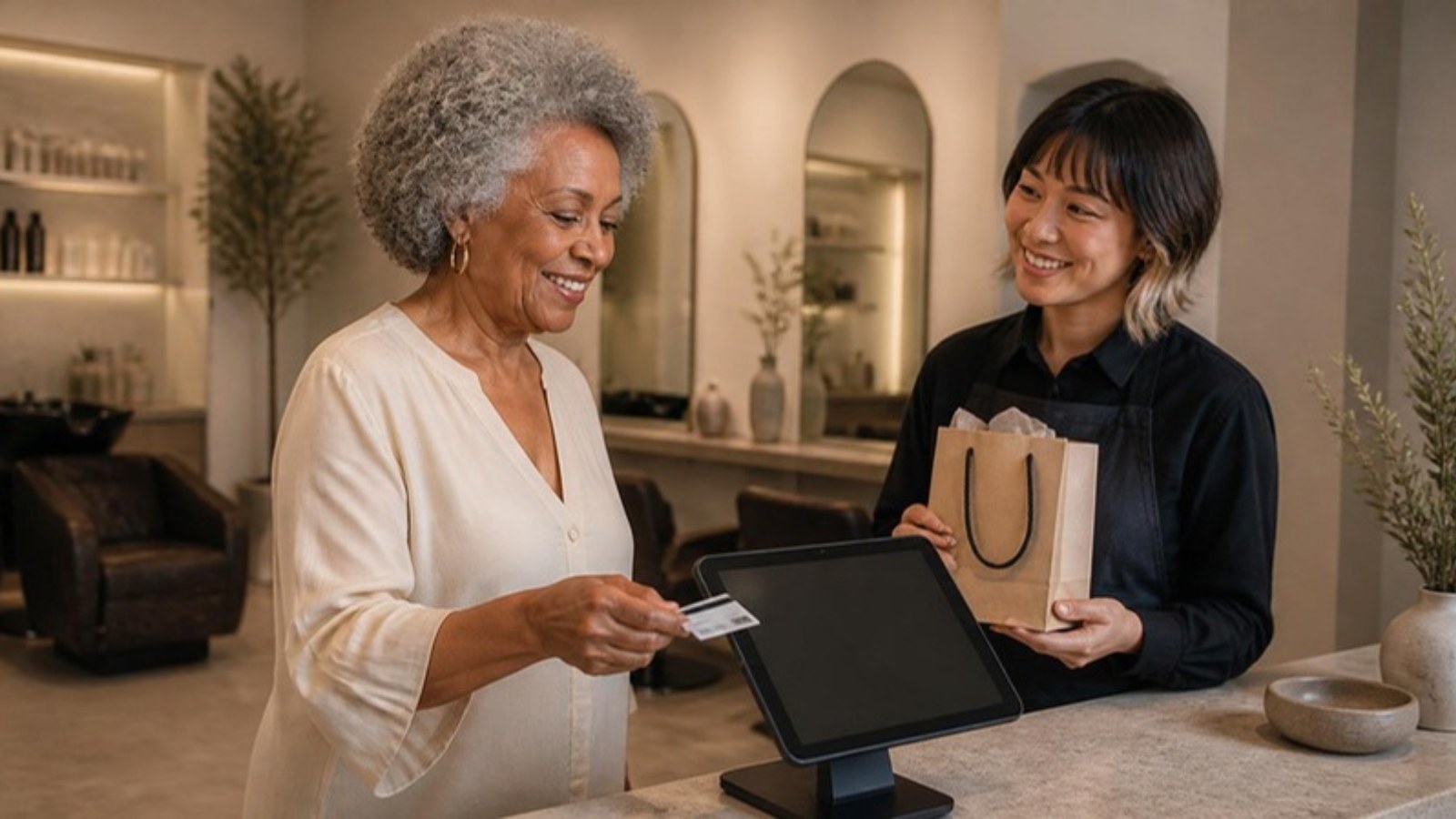
Clients want to book, reschedule, complete forms, make payments and access important information without unnecessary back and forth.
This does not mean clients want less service.
They want less friction.
Businesses that make routine tasks easier give their teams more time for the interactions where personal service actually matters.
5. Retention Will Matter More Than Constant Client Acquisition
Getting attention online is becoming increasingly competitive.
That makes the clients already inside your business even more valuable.
Beauty businesses will need to pay closer attention to what happens after the first appointment.
Did the client rebook?
Did they return?
How frequently do they visit?
When did they stop coming?
What could bring them back?
Marketing will become increasingly connected to retention instead of focusing entirely on attracting new clients.
A strong client base can become one of a beauty business’s biggest competitive advantages.
6. Owners Will Expect Better Business Intelligence
Beauty business owners have spent years looking at reports that tell them what already happened.
Revenue last month.
Appointments last week.
Retail sales yesterday.
The next step is technology that helps owners understand what those numbers actually mean.
Why did revenue change?
Which providers are improving retention?
Where is the schedule losing capacity?
Which services are becoming more profitable?
Which clients are disappearing?
The future of salon reporting is not simply more data.
There are better answers.
7. Teams Will Expect Better Technology Too
Clients are not the only people affected by outdated systems.
Employees feel it too.
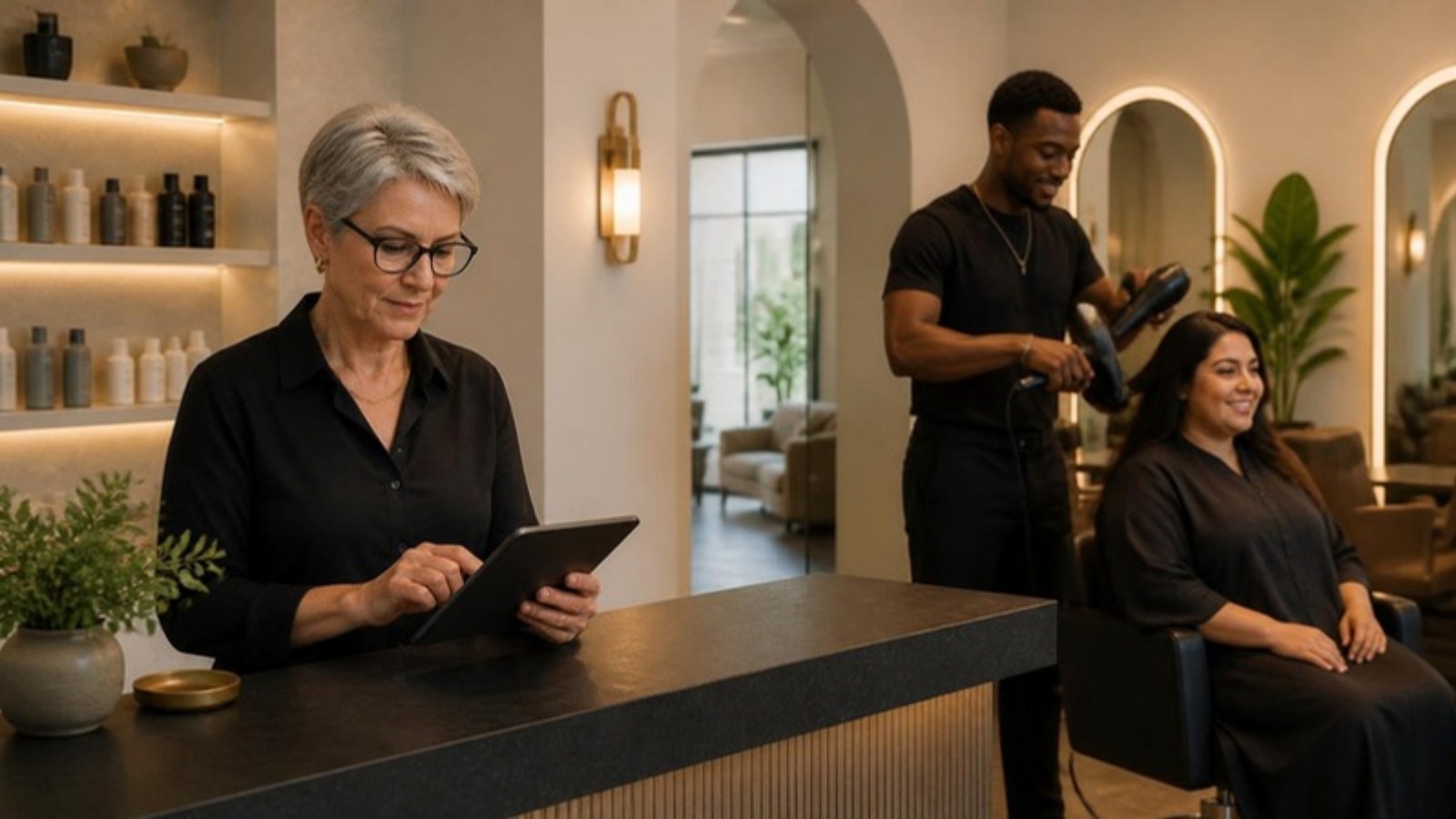
When team members have to use multiple platforms, manually track information or constantly ask managers for answers, work becomes unnecessarily difficult.
Modern beauty businesses will increasingly use technology as part of the employee experience.
Scheduling, client information, communication, performance and everyday tools should be easy for the team to access.
Better systems do not only make owners more efficient.
They make it easier for employees to do their jobs well.
8. The Best Businesses Will Combine Technology With Hospitality
As more tasks become automated, human interaction may actually become more valuable.
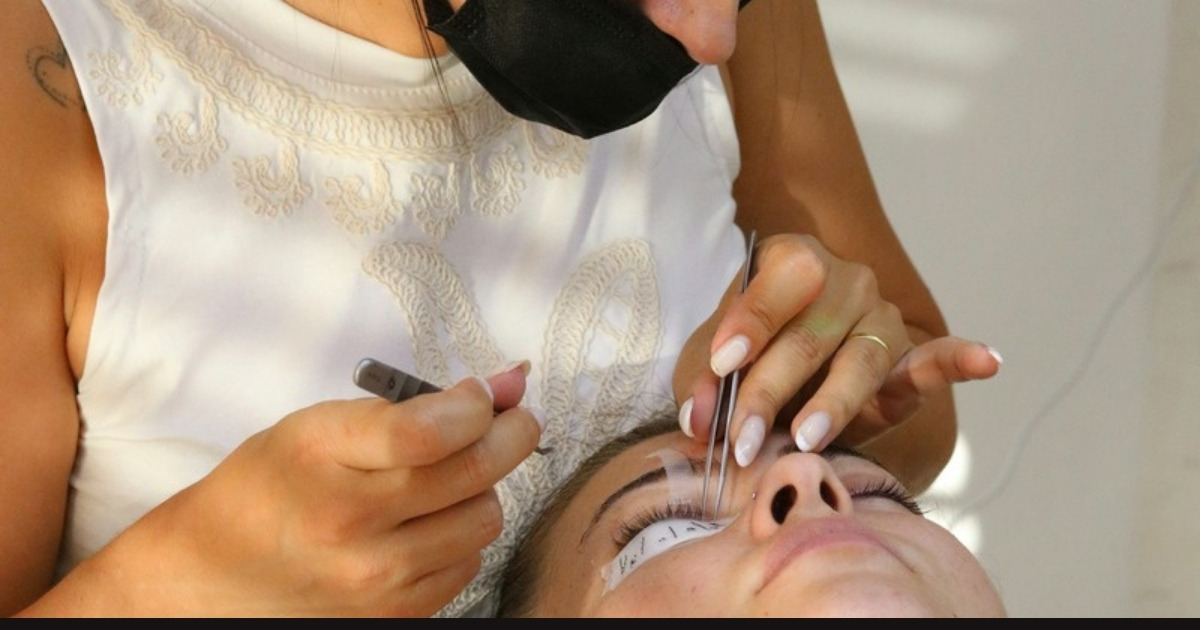
Clients do not choose a stylist, esthetician, lash artist or massage therapist because they want to interact with software.
They choose people.
They want expertise.
They want trust.
They want to feel comfortable.
They want someone to understand what they are asking for.
Technology should make those relationships easier to deliver.
The businesses that stand out will not necessarily be the most automated.
They will be the ones that automate the right things so their teams have more time for the human parts of the experience.
The Future of Beauty Is More Connected
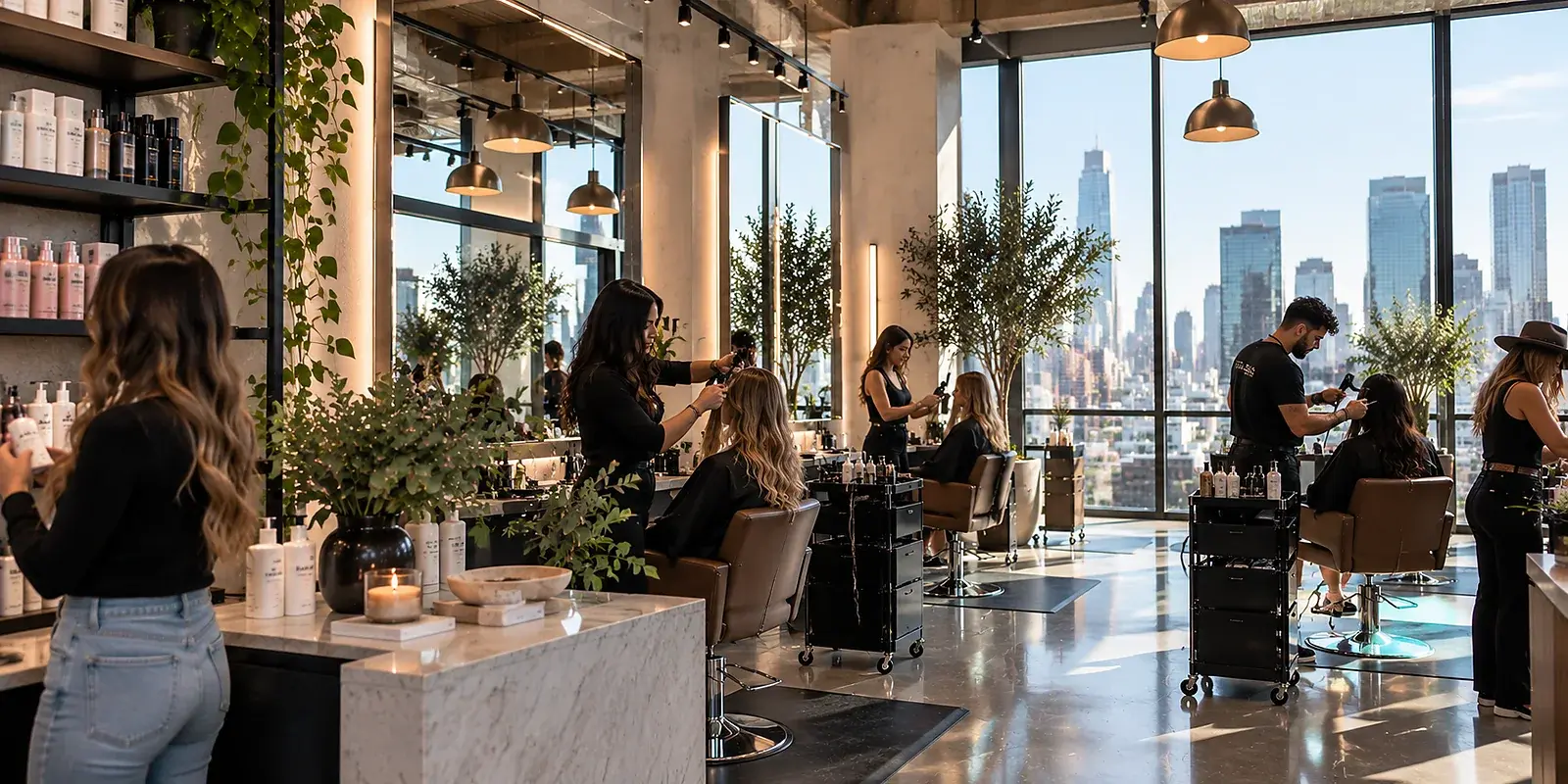
The beauty industry is not becoming less personal.
It is becoming more connected.
Booking connects to client history.
Client history connects to marketing.
Marketing connects to retention.
Appointments connect to inventory.
Team performance connects to business results.
And AI can help owners understand what is happening across all of it.
For beauty business owners, adapting does not mean chasing every new trend.
It means recognizing when client expectations and business technology have permanently changed.
The businesses that prepare for those changes now will be in a much stronger position to grow in 2027 and beyond.
Emvari is being built for where the beauty and wellness industry is going next. By connecting booking, clients, teams, payments, marketing, operations and intelligent automation in one platform, Emvari is designed to help modern beauty businesses operate more efficiently while keeping the client experience personal.
Personalization is the clearest of these trends. McKinsey found that 71% of consumers expect personalized interactions and 76% get frustrated when they don’t get them (McKinsey on personalization).
Getting Ready for Beauty Industry Trends 2027 With Emvari
Emvari is built around these shifts: online booking clients can manage themselves, a self-serve kiosk for check-in and checkout, a branded client app, and reporting that shows what is actually driving revenue.