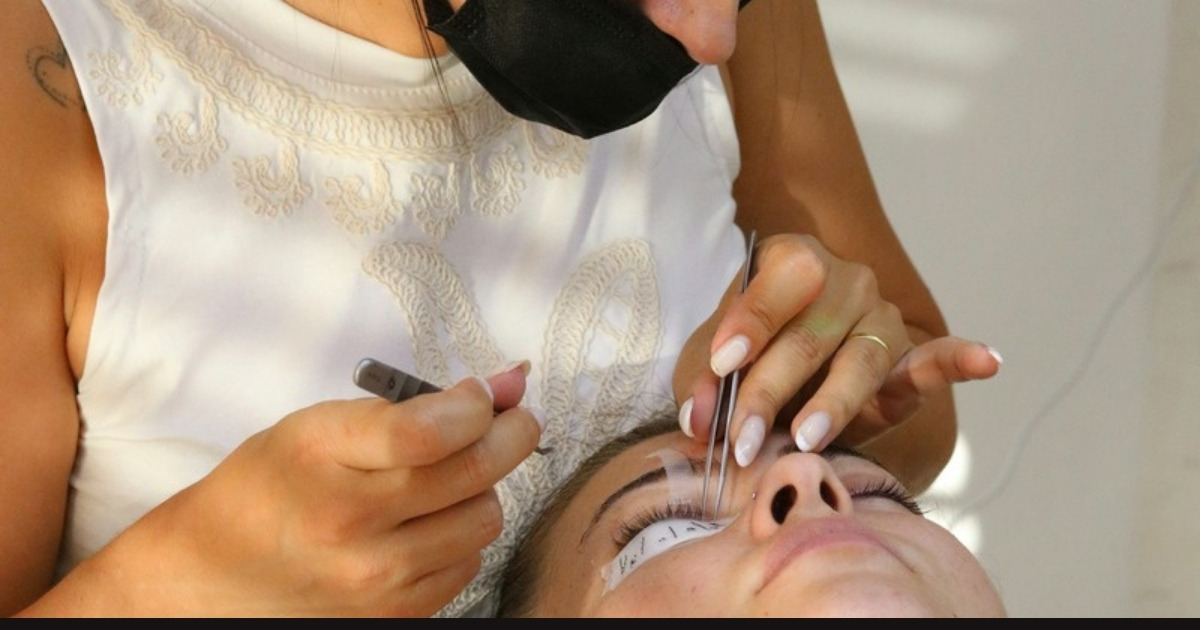

If you work alone, a no-show is not an inconvenience. It is a hole in your day that nobody else can fill. A two-hour lash full set that does not show up is two hours of income gone, plus the product you prepped and the client you turned away to hold that slot.
A deposit policy fixes most of that. Not because clients are bad people, but because money on the line changes how people treat a booking. This guide covers how much to charge, when to keep it, how to word it so clients accept it, and a template you can copy today.
What a No-Show Actually Costs a Solo Artist
Run your own numbers. Here is an example for a lash artist:
- Full set: $180, two hours
- Fill: $75, one hour
- No-shows: two fills and one full set a month
That is $330 a month, or $3,960 a year, from three missed appointments a month. And that is before you count the client you turned away for that slot, or the hour you spent texting to confirm.
Now run the same month with a 50% deposit on full sets and a $25 deposit on fills. If the same three clients still no-show, you keep $140 of the $330. More importantly, fewer of them no-show at all, because they have already paid.
How Much Deposit Should You Charge?
There is no single right number. Most solo artists land on one of three models:
- Flat deposit: $20 to $50 per appointment. Simple to explain and easy for clients to say yes to. Works well for fills and shorter services.
- Percentage deposit: 25% to 50% of the service price. Scales with the appointment, so a $300 bridal trial and a $60 brow tint are each protected in proportion.
- Full prepayment: 100% at booking. Best for high-demand slots, new clients with no history, or services where you buy product specifically for that client.
A practical rule: the deposit should be large enough that losing it hurts a little, and small enough that a new client does not hesitate. For most solo artists that is between 25% and 50% for new clients, and a lower flat amount (or none) for regulars with a clean record.
When You Keep the Deposit (and When You Don’t)
Decide this before you need it. Clients accept rules that were clear at booking. They push back on rules that feel invented in the moment.
Write down your answers to these four questions:
- Cancellation window: How much notice do you need? 24 hours is common. 48 hours makes sense for services that take two hours or more.
- Late arrivals: How late is too late? Many artists use 15 minutes. After that, the appointment is shortened or treated as a no-show.
- Rescheduling: Does the deposit move to the new date if the client reschedules inside the window? Most artists allow one move.
- Exceptions: What do you do for emergencies? Decide whether you will waive once, and write that down too, so you are consistent.
Consistency matters more than strictness. If you waive the fee for one regular and charge another, word gets around.
How to Word Your Policy So Clients Accept It
The words you choose decide whether a deposit feels like protection or a penalty. Three things help:
- Lead with why. “I hold this time just for you” lands better than “Failure to show will result in forfeiture.”
- Say it before they book, not after. Put the policy on your booking page, in the confirmation, and in the reminder.
- Make the rule easy to follow. If clients can reschedule from a link in their reminder, most of them will reschedule instead of disappearing.
Copy-and-Paste Deposit Policy Template
Edit the numbers to fit your services:
When you book, I reserve that time just for you, so a deposit of [$X / X%] is required to confirm your appointment. Your deposit goes toward your service total.
Need to change your appointment? Reschedule or cancel at least [24/48] hours before your start time and your deposit moves to your new date.
Cancellations with less than [24/48] hours’ notice, or missed appointments, forfeit the deposit. Arriving more than [15] minutes late may mean a shortened service or rescheduling, and the deposit may be kept.
Thank you for respecting my time and the clients on my waitlist.
Before you publish any policy, check the payment rules for your card processor and any consumer rules in your state. If you are unsure, a short review by a local attorney or your state board is worth it.
Make Deposits Automatic, Not Awkward
The hardest part of a deposit policy is not writing it. It is collecting the money without chasing anyone over text. That only works if the deposit is part of booking itself:
- The client sees your policy and pays the deposit in the same step they choose a time.
- The reminder includes your policy and a link to reschedule.
- If they cancel late, you apply the rule you already wrote, not a conversation.
That is what Emvari online booking is designed to do: a card on file at booking, your policy shown before the client confirms, and automated reminders that make rescheduling easier than ghosting. Booking deposits are coming in 2027. Until then, a card on file with a clear no-show and late-cancel fee does the same job. Intake and consent forms and waivers are designed to go out with the booking, so you start on time.
Want the bigger picture on no-shows? Read what no-shows really cost and how to reduce last-minute cancellations.
Built for Solo Artists First
Emvari’s beta opens to solo artists and booth renters first, starting November 15, 2026. The Core plan for solo artists is $29 a month. Payments are priced separately: 2.6% + 10¢ in person, 3.4% + 15¢ online, plus a $15/month merchant account fee once payments are live. No setup, PCI, or statement fees. See how Emvari works for lash techs or compare plans.